Benefits of More or Less Worksheets for Kindergarten
More or Less Worksheets for Kindergarten are a fun and effective way to help young learners develop essential early math skills. These worksheets allow children to practice comparing numbers, counting objects, and identifying which group has more or less. Here are some key benefits of using free printable more or less worksheets in the classroom or at home:
1. Develops Number Sense
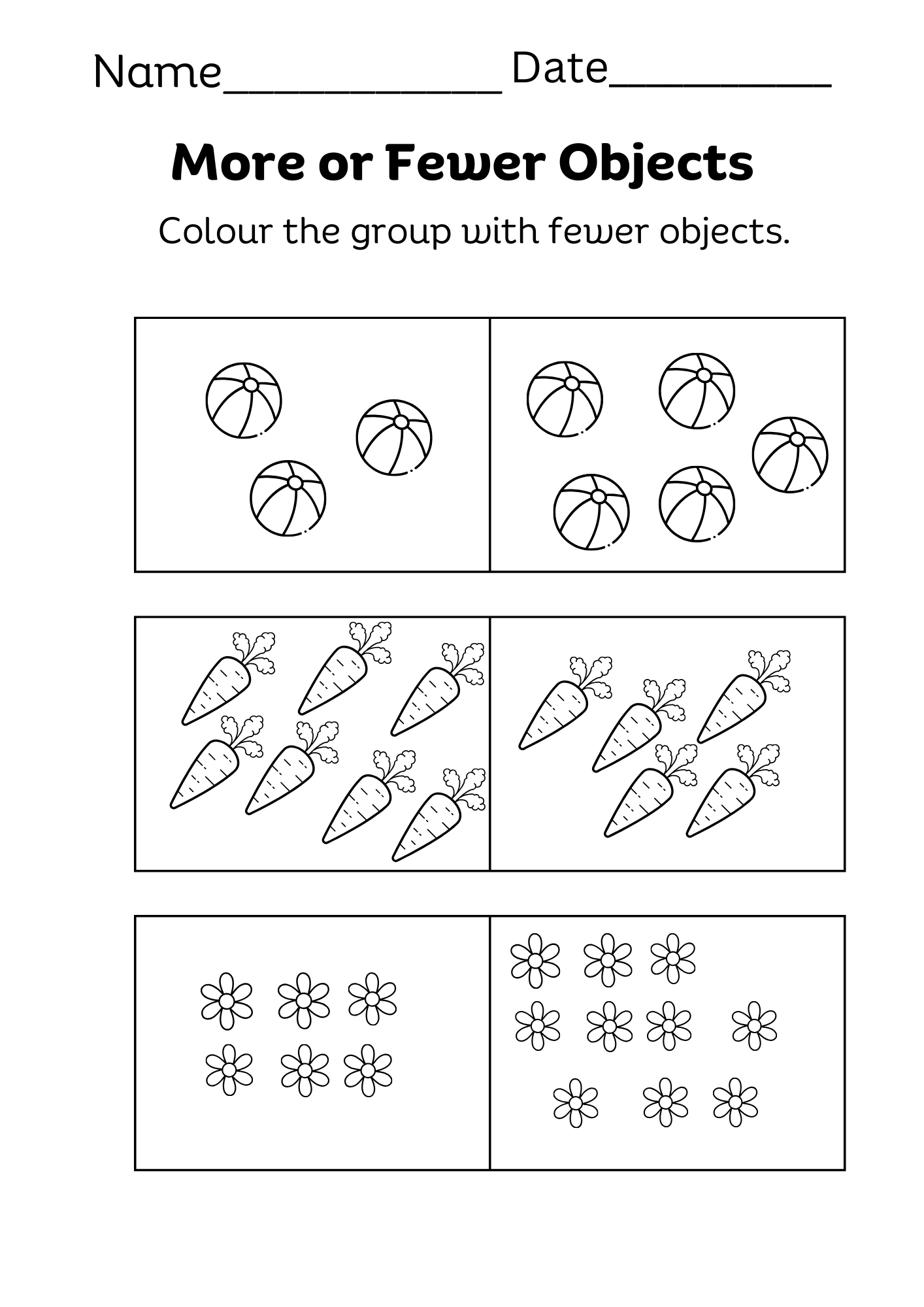
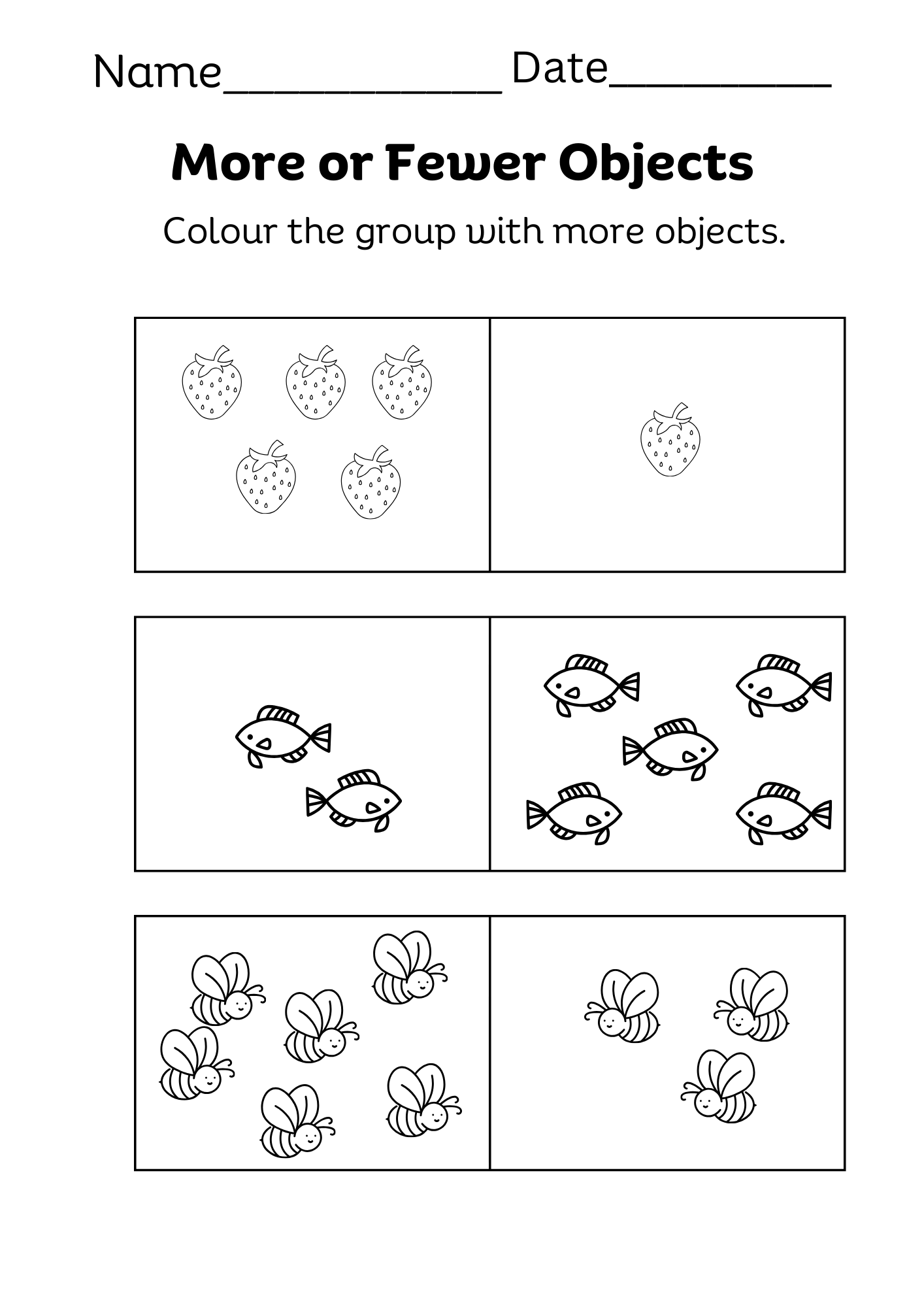
More or Less Worksheets help kindergarten children understand the relationship between numbers and quantities. By comparing groups of objects, children learn to identify which group has more and which has less.
2. Improves Counting Skills
These More or Less Worksheets for Kindergarten provide counting practice through engaging pictures and activities. Children strengthen their counting abilities while learning to compare different quantities.
3. Introduces Comparing Numbers
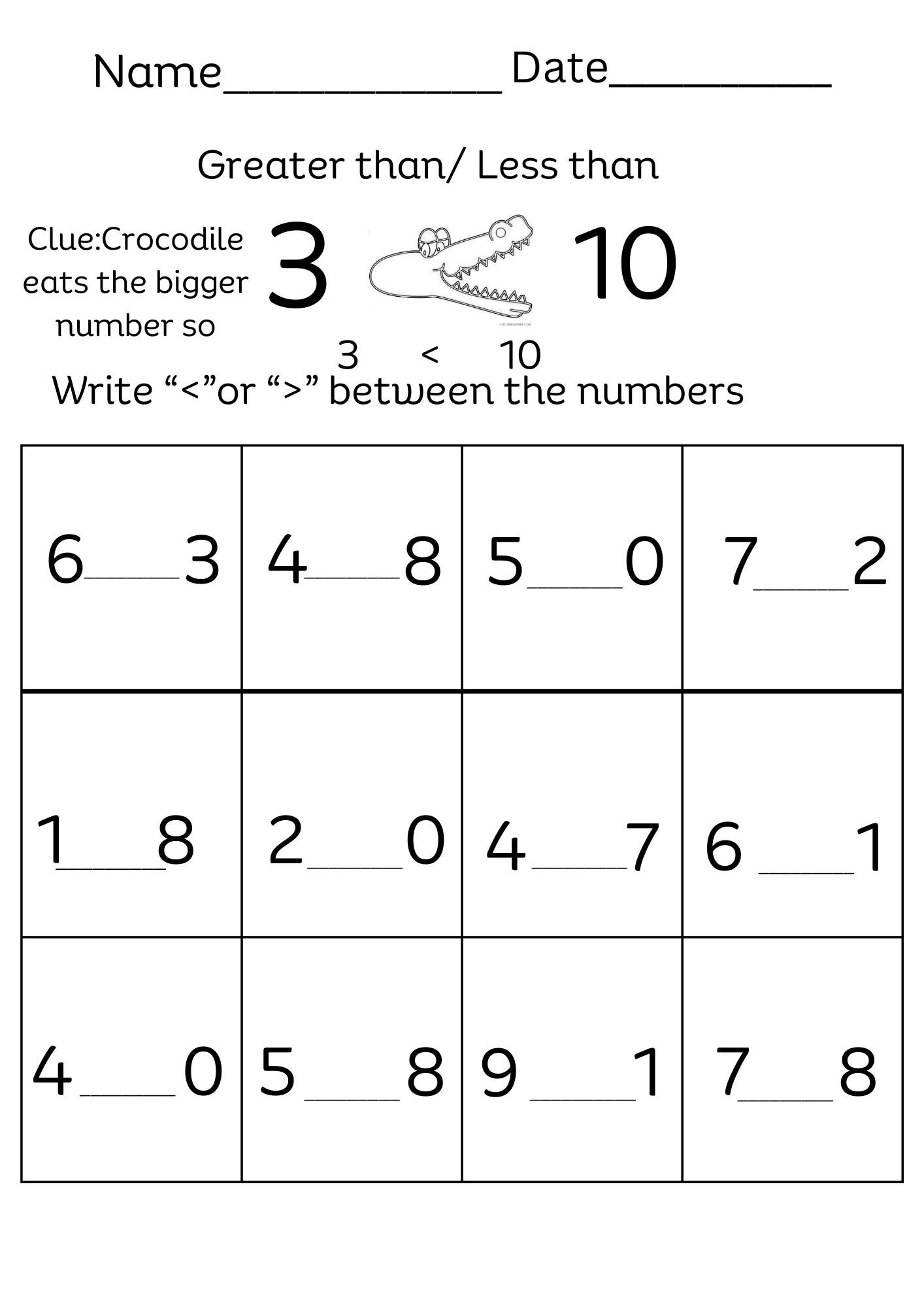
More or Less Worksheets Free PDF activities help children recognize differences between numbers. They learn to compare quantities and develop a strong foundation for future math concepts.
4. Builds Early Math Confidence
Using Free Printable More or Less Worksheets allows children to practice math skills at their own pace. Repeated practice helps improve confidence and encourages a positive attitude toward learning mathematics.
5. Strengthens Visual Learning
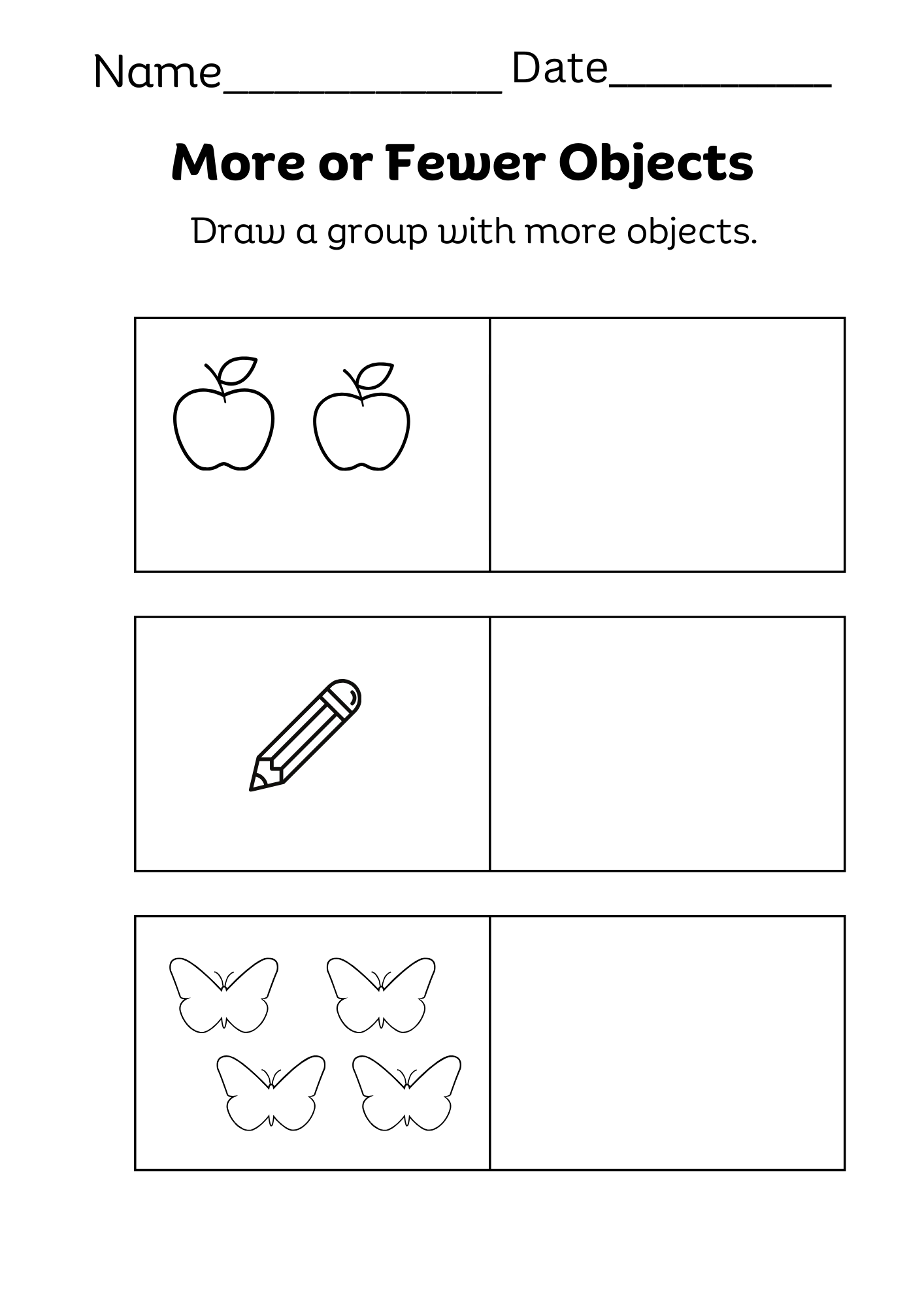
Our More or Less Worksheets for Kindergarten include picture-based activities that make learning easier and more enjoyable. Children can visually compare groups of objects, helping them understand mathematical concepts more clearly.
6. Supports Classroom and Home Learning
These More or Less Worksheets PDF resources are ideal for kindergarten teachers, homeschooling parents, and extra practice at home. Simply download, print, and provide children with meaningful math practice.
7. Develops Critical Thinking Skills
By identifying which number or group is greater or smaller, children develop basic reasoning and problem-solving skills. More or Less Worksheets encourage learners to observe, compare, and make mathematical decisions independently.




Reviews
There are no reviews yet.